As aircraft soar through the skies, intricate systems work tirelessly to ensure optimal performance, reliability, and fuel efficiency. Among these essential components are
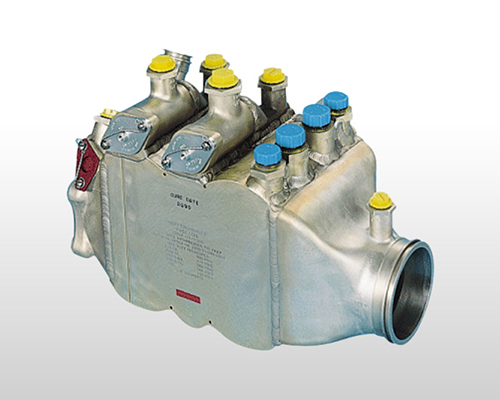
Fuel Cooled Oil Coolers (FCOCs),
which play a pivotal role in maintaining engine health. In this exploration, we look closely at FCOCs, uncovering their efficiency in heat transfer, impact on weight and space savings, contributions to enhanced fuel efficiency, reliability, and their environmental footprint.
Efficient Heat Transfer
FCOCs are typically integrated into the aircraft's fuel system, closely connected to the engine. The location of the FCOC allows it to intercept and manage the heat generated during the engine's operation. The primary objective of an oil cooling system is to regulate the temperature of the lubricating oil circulating through the engine components.
As the engine operates, the oil absorbs heat from various components, such as the engine block and bearings. The FCOC takes advantage of the fact that the temperature of fuel in an aircraft is typically lower than the optimal operating temperature of the engine oil. The hot oil from the engine is circulated through a
heat exchanger
within the FCOC.
Within the heat exchanger, the hot oil releases its heat to the cooler fuel. This transfer of heat occurs due to the temperature difference between the hot oil and the relatively cooler fuel. The fuel acts as an effective coolant, absorbing the heat from the oil.
As the oil releases its heat to the fuel, it undergoes a temperature reduction. The now cooled oil is then returned to the engine to repeat the cycle. This helps maintain the optimal operating temperature of the engine oil, preventing it from reaching levels that could be detrimental to the engine's efficiency and longevity.
Simultaneously, the fuel absorbs the heat from the oil, which serves a dual purpose. In addition to cooling the oil, the heat-absorbed fuel is directed to other systems where it may be used for heating, such as the aircraft's cabin or for de-icing purposes. This integration optimizes the energy efficiency of the overall system.
Weight and Space Savings
FCOCs serve a dual purpose by efficiently cooling the engine oil and simultaneously utilizing the fuel for heating. This integration allows for the consolidation of two essential functions into a single system, eliminating the need for separate components for oil cooling and fuel heating.
Unlike traditional systems that may require distinct oil coolers and fuel heaters, FCOCs incorporate both functions into a single, streamlined unit. This consolidation results in a simplified and more compact design, reducing the overall number of components in the aircraft.
The integration of oil cooling and fuel heating in FCOCs leads to a reduction in the complexity of the aircraft's fluid circulation system. With fewer components involved, there is a decrease in the need for extensive piping and connections, further contributing to weight savings and simplifying the overall layout.
FCOCs are strategically installed in areas that optimize space utilization within the aircraft. Their compact design allows for flexible placement, and the integration of functions facilitates a more efficient use of available space, especially in regions where space constraints are significant.
Modern FCOCs are often constructed using lightweight and high-strength materials, such as aluminum alloys or advanced composites. These materials help minimize the weight of the FCOC itself, ensuring that the overall impact on the aircraft's weight is kept to a minimum.
The dual functionality of FCOCs not only saves space and weight directly related to the cooling system but also indirectly contributes to weight savings through reduced fuel consumption.
With fewer components and a consolidated design, FCOCs generally require less maintenance. This simplification not only contributes to operational efficiency but also reduces the need for spare parts, tools, and personnel involved in maintenance activities.
Enhanced Fuel Efficiency
FCOCs play a critical role in maintaining the optimal operating temperature of the engine oil. By efficiently cooling the oil, FCOCs ensure that the engine components operate within the manufacturer-specified temperature range. This is essential for maximizing the efficiency and performance of the engine.
Maintaining the correct oil temperature helps reduce friction and wear on engine components. FCOCs contribute to minimizing the mechanical losses associated with friction, which, in turn, leads to improved engine efficiency.
Overheating of engine components can lead to reduced efficiency and potential damage. FCOCs efficiently dissipate excess heat generated during engine operation, preventing overheating and ensuring that the engine operates at optimal conditions.
FCOCs are designed to provide consistent cooling performance across a range of operating conditions, including varying flight speeds and altitudes. This adaptability ensures that the engine operates efficiently under different scenarios, contributing to overall fuel efficiency.
Environmental Impact
Fuel Cooled Oil Coolers (FCOCs) contribute to a more sustainable environmental impact in aircraft by aligning with the aviation industry's growing emphasis on fuel efficiency and reduced emissions. The integrated design of FCOCs, which utilizes fuel as a coolant while simultaneously serving other heating functions, optimizes energy usage within the aircraft systems. This dual functionality minimizes the need for additional energy-consuming components, thereby reducing the overall environmental footprint associated with aircraft operations.
The efficiency gains achieved through FCOCs play a role in lowering fuel consumption, subsequently decreasing greenhouse gas emissions and contributing to the aviation industry's commitment to environmental responsibility. As the aerospace sector continues to explore innovative solutions for environmental stewardship, FCOCs represent a tangible step toward achieving fuel efficiency goals and mitigating the environmental impact of air travel.
The article explores the multifaceted impact of Fuel Cooled Oil Coolers (FCOCs) on aerospace aircraft, emphasizing their efficiency in heat transfer, weight and space savings, contributions to enhanced fuel efficiency, reliability, and environmental sustainability. FCOCs efficiently manage engine temperatures by utilizing fuel as a coolant, preventing overheating and optimizing the engine's performance. The integration of oil cooling and fuel heating functions in a single component streamlines the system, reducing complexity and contributing to weight and space savings. These dual-functional coolers not only enhance fuel efficiency by maintaining optimal operating temperatures and reducing friction but also indirectly save weight through minimized fuel consumption. Additionally, the article highlights how FCOCs align with the aviation industry's commitment to sustainability by lowering emissions and contributing to overall environmental responsibility.